Is Cannabis Legal In Scotland? Current Laws And Reality
Understanding Cannabis Laws In Scotland
Cannabis remains illegal for recreational use in Scotland and is classified as a Class B drug under UK law. The reality on the ground tells a more nuanced story than this simple answer suggests.
Scotland's approach to cannabis differs significantly from the rest of the UK, with progressive policies, decriminalization efforts, and pragmatic enforcement creating a complex landscape that confuses many residents and visitors.
While possession and use remain technically illegal, Scotland has been pushing boundaries and challenging Westminster's rigid stance for years. The medical cannabis landscape changed dramatically in 2018 when specialist doctors gained the ability to prescribe cannabis-based medicines through the NHS.
The Complete Legal Picture For Cannabis In Scotland
Recreational Cannabis Remains Illegal
Recreational cannabis use, possession, cultivation, and supply remain illegal throughout Scotland under the Misuse of Drugs Act 1971. The maximum penalties appear severe on paper - up to five years in prison for possession and up to 14 years for supply - but enforcement practices tell a different story.
Cannabis is classified as a Class B drug, placing it in the same category as amphetamines and barbiturates. This classification determines both the maximum penalties and how law enforcement agencies prioritize cannabis offenses compared to other substances.
The legal status applies equally to all forms of cannabis, including marijuana flower, hashish, edibles, oils, and any other THC-containing products. There are no legal possession limits or safe harbor provisions for personal use amounts.
Medical Cannabis Is Legal With Restrictions
Medical cannabis became legal in Scotland in November 2018, but accessing it remains challenging for most patients. Only specialist doctors registered with the General Medical Council can prescribe cannabis-based medicinal products, and they must exhaust conventional treatment options first.
The NHS covers some medical cannabis prescriptions, but availability remains limited. Most patients seeking medical cannabis must turn to private prescriptions, which can cost hundreds of pounds monthly and aren't covered by standard health insurance.
Legal medical cannabis products must meet specific licensing requirements and quality standards. Patients cannot simply use any cannabis product - they must use precisely what their doctor prescribes from licensed pharmaceutical companies.
Class B Drug Classification And Penalties
The Class B classification means cannabis sits in the middle tier of UK drug scheduling, considered less serious than Class A drugs like heroin and cocaine, but more serious than Class C substances like anabolic steroids.
Maximum penalties include five years imprisonment for possession, with unlimited fines possible. Supply, production, and trafficking charges carry up to 14 years imprisonment and unlimited fines. However, these maximum penalties rarely apply in practice, especially for first-time offenders caught with small amounts.
The classification also affects how cannabis offenses appear on criminal records, potentially impacting employment, travel, and housing applications. Even minor cannabis convictions can have lasting consequences beyond any immediate penalties.
How Scotland's Cannabis Laws Differ From The Rest Of The UK
Scotland's Progressive Policy Approach
Scotland has consistently taken a more progressive approach to drug policy than England and Wales, viewing substance use primarily as a public health issue rather than a criminal justice problem. This philosophical difference shapes how cannabis laws are enforced and discussed politically.
The Scottish Government has explicitly called for drug policy devolution, arguing that it could better serve its population with distinct approaches to substances like cannabis. This has created ongoing tension with Westminster, which maintains control over drug classification and criminal law.
Scottish politiciansacross multiple parties have expressed support for cannabis law reform, from decriminalization to full legalization. This political climate creates momentum for change that doesn't exist to the same degree in other parts of the UK.
Decriminalization Efforts And Westminster Resistance
In 2023, Scotland's Lord Advocate announced support for treating simple cannabis possession as a healthcare issue rather than a criminal matter. This represented the strongest official move toward decriminalization in UK history, though Westminster quickly pushed back against the proposal.
The Scottish Government has repeatedly requested powers to implement drug policy reform, including cannabis decriminalization, but these requests have been consistently denied by the UK government. This creates a constitutional standoff between progressive Scottish policies and conservative Westminster control.
Several Scottish councils and police divisions have implemented informal decriminalization policies, focusing resources on serious crimes rather than minor cannabis offenses. While not legally binding, these practical changes affect how laws are enforced day-to-day.
Enforcement Differences In Practice
Police Scotland has adopted a notably different approach to cannabis enforcement compared to forces in England and Wales. Officers frequently issue warnings rather than charges for small amounts, focusing prosecution efforts on dealers and large-scale operations.
The "recorded police warning" system allows officers to handle minor cannabis possession without court proceedings. This administrative approach reduces criminal justice costs while avoiding criminal records for minor infractions.
Scottish courts also demonstrate different sentencing patterns, with sheriffs and judges more likely to impose alternative disposals like community service or drug treatment programs rather than imprisonment for cannabis offenses.
Medical Cannabis Access In Scotland - What You Need To Know
Legal Requirements For Medical Cannabis
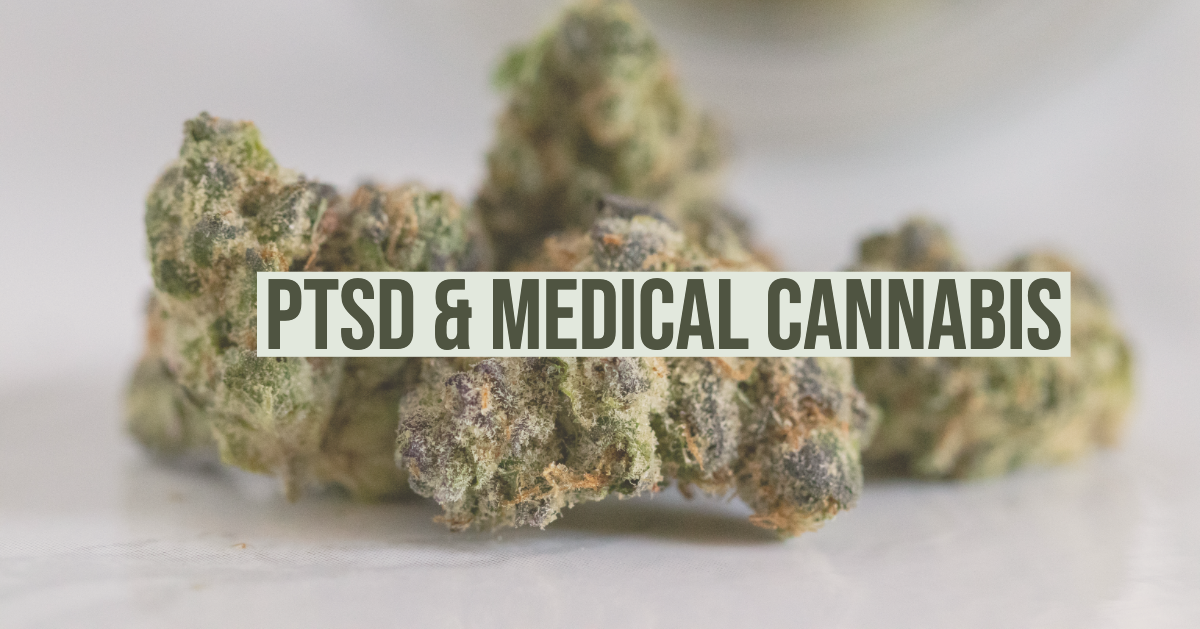
Accessing legal medical cannabis in Scotland requires meeting specific medical and administrative criteria. Patients must have qualifying conditions where conventional treatments have proved insufficient, and they need referrals to registered specialist consultants.
The process begins with your GP, who must refer you to a specialist consultant registered to prescribe cannabis-based medicines. Not all specialists can prescribe cannabis - only those who have completed additional training and registration requirements.
Qualifying conditions typically include treatment-resistant epilepsy, multiple sclerosis spasticity, chemotherapy-induced nausea, and chronic pain conditions. However, the final decision rests with individual specialists based on their clinical judgment and your specific circumstances.
NHS Prescription Process And Specialist Consultations
NHS medical cannabisprescriptions remain extremely rare, with most specialists reluctant to prescribe due to limited clinical evidence and concerns about long-term effects. When NHS prescriptions are issued, they typically cover only specific licensed products like Epidiolex for certain epilepsy conditions.
Private specialist consultations offer broader access to medical cannabis, but costs range from £150 to £400 for initial consultations plus ongoing prescription fees. Private clinics have emerged across Scotland specifically to serve medical cannabis patients seeking legal access.
The prescription process involves comprehensive medical reviews, discussion of alternative treatments, and ongoing monitoring appointments. Specialists must justify their prescribing decisions and maintain detailed records of patient responses and side effects.
Qualifying Conditions
The biggest misconception is that a medical cannabis prescription is impossible to obtain. While it's not a simple process, it is a reality for a growing number of patients. The key is to understand that a prescription is only considered when a specialist doctor believes that conventional treatments have failed.
On the NHS, prescriptions for cannabis-based medicines are extremely rare and are typically limited to three specific conditions: severe forms of epilepsy, nausea and vomiting caused by chemotherapy, and muscle spasms and stiffness from multiple sclerosis (MS). For all other conditions, access is almost exclusively through private medical cannabis clinics. These clinics have a much wider list of conditions they treat, including:
- Chronic pain: Including fibromyalgia, neuropathic pain, and back pain.
- Neurological conditions: Such as Tourette’s syndrome and migraines.
- Mental health conditions: Including anxiety, PTSD, and insomnia.
- Gastrointestinal issues: Including Crohn's disease and irritable bowel syndrome.
The core requirement across all clinics is that you must have a diagnosed condition and have tried at least two conventional treatments without success. This "tried and failed" rule is the single most important factor in determining eligibility.
Treatment Options And Forms Of Medical Cannabis
The term "medical cannabis" refers to a wide range of products, and a prescription is not just for a generic plant. The type of medicine prescribed depends on the patient's condition, symptoms, and lifestyle. The most common forms include:
- Cannabis Oils/Tinctures: A popular option for long-lasting relief, these are administered under the tongue (sublingually) for steady, consistent effects. They are ideal for managing chronic conditions like pain or anxiety.
- Dried Flower for Vaporisation: For more immediate relief, this is a common choice. The patient uses a medical vaporiser to heat the cannabis flower to a specific temperature, inhaling the vapour. It's a key distinction from smoking, which is not a medically approved method.
- Capsules and Edibles: These are taken orally and are processed through the digestive system. They have a longer onset time but can provide a sustained effect for several hours, which is beneficial for nighttime symptoms or long workdays.
Each product is carefully selected by a clinician, often containing specific ratios of cannabinoids to tailor the treatment to the individual's needs.
Understanding The Core Difference: Cannabis Vs. Cannabidiol
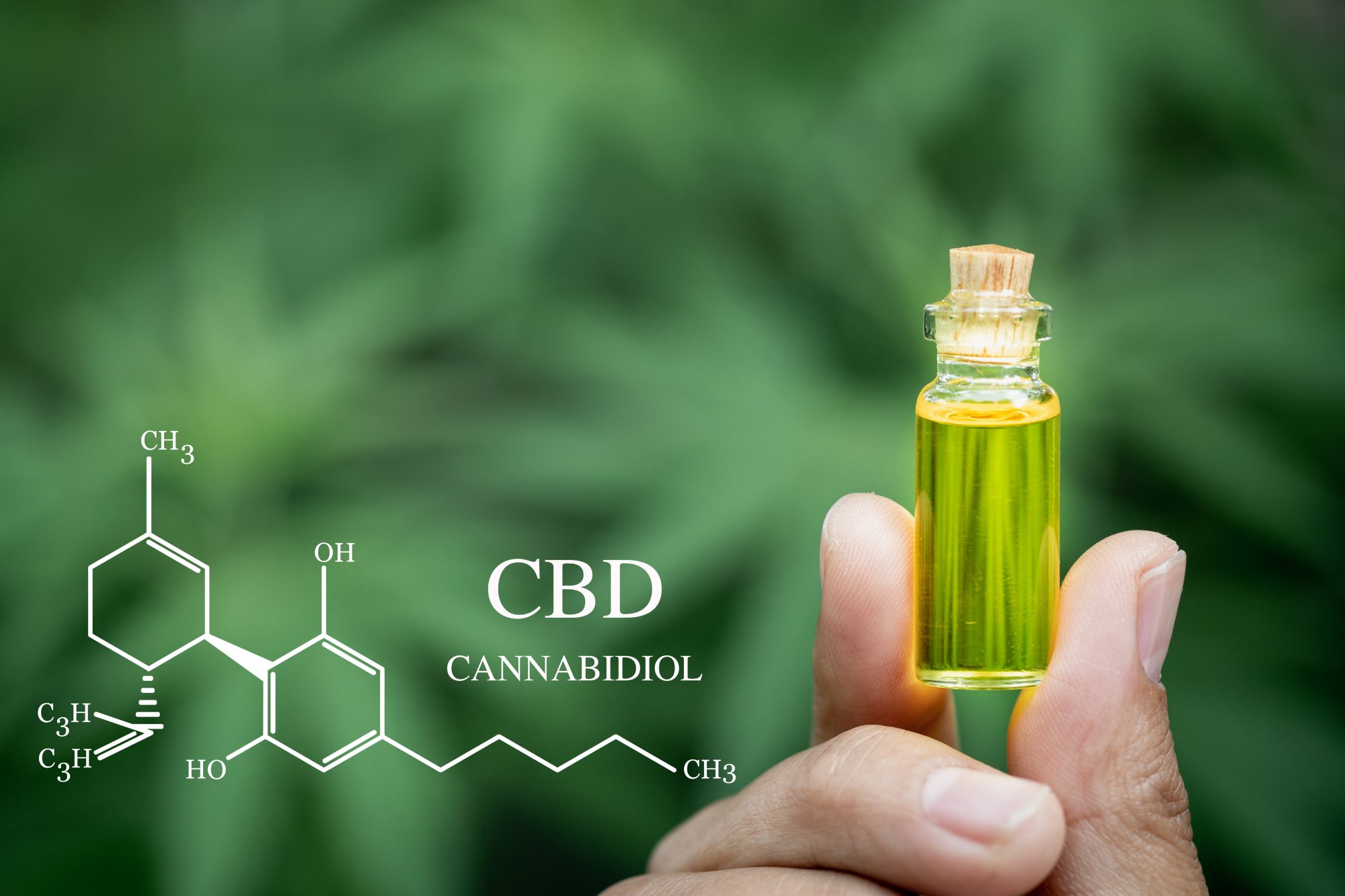
To grasp the legal nuance, you must first understand the scientific distinction. The cannabis plant is a complex botanical that produces over 100 chemical compounds known as cannabinoids. The two most well-known are THC (tetrahydrocannabinol) and CBD (cannabidiol).
- THC: This is the primary psychoactive compound in cannabis, responsible for the "high" or euphoric effect. It interacts directly with the brain's endocannabinoid receptors.
- CBD: This is a non-psychoactive compound. It does not produce a high and interacts with the body in a much different way. While it has been shown to have therapeutic potential for pain and anxiety, it does not have the intoxicating effect of THC.
Legally, the distinction is paramount. Any product containing more than trace amounts of THC is classified as a controlled substance under the Misuse of Drugs Act. CBD products, on the other hand, are legal to sell as long as they contain less than 1 mg of THC per container. This legal limit ensures that any psychoactive effect is impossible.
Penalties And Real-World Enforcement For Cannabis In Scotland
Maximum Penalties Vs Actual Enforcement
While maximum penalties for cannabis possession reach five years imprisonment, actual sentences rarely approach these levels. First-time offenders caught with small amounts typically receive warnings, fines, or community service rather than prison time.
Scottish courts demonstrate consistent patterns of proportionate sentencing, considering factors like quantity, evidence of supply activity, and criminal history. Personal use amounts rarely result in imprisonment unless combined with other serious offenses or extensive criminal records.
The gap between theoretical maximum penalties and practical enforcement reflects Scotland's broader approach to drug policy, prioritizing public health outcomes over punitive measures for personal use offenses.
Police Scotland's Approach To Cannabis Possession
Police Scotland has implemented practical policies that de-prioritize minor cannabis possession cases. Officers routinely issue Recorded Police Warnings for small amounts, avoiding court proceedings while maintaining official records of the encounter.
The force's approach emphasizes officer discretion, allowing individual officers to assess circumstances and choose appropriate responses. This flexibility means possession outcomes vary significantly based on location, circumstances, and officer judgment.
Community policing initiatives often treat cannabis possession as an opportunity for drug education and harm reduction rather than strict law enforcement. This approach aligns with Scotland's public health-focused drug policy philosophy.
Court Outcomes And Alternative Dispositions
Scottish courts frequently impose alternative disposals for cannabis offenses, including fiscal fines (similar to traffic tickets), community payback orders, and drug treatment and testing orders. These alternatives avoid criminal convictions while addressing underlying issues.
Sheriff courts, which handle most cannabis cases, demonstrate consistent patterns of proportionate sentencing. Sheriffs consider personal circumstances, employment implications, and rehabilitation prospects when determining appropriate penalties.
The availability of alternative disposals means many cannabis cases resolve without traditional criminal penalties, though official records may still affect future opportunities. Understanding these options helps defendants navigate the system more effectively.
Scotland's Push For Cannabis Law Reform
The 2023 Decriminalization Proposal
Scotland's Lord Advocate made headlines in 2023 by announcing support for treating simple cannabis possession as a public health matter rather than pursuing criminal prosecutions. This represented the most significant official endorsement of decriminalization in UK history.
The proposal suggested police would continue confiscating cannabis and recording incidents, but prosecution would only occur in exceptional circumstances. This approach mirrors successful policies implemented in Portugal and other European countries.
Westminster's immediate rejection of the proposal highlighted the constitutional tensions between Scottish policy preferences and UK-wide drug law. The UK government maintains that drug policy must remain consistent across all constituent countries.
Political Support And Opposition
The Scottish National Party, Scottish Greens, and Scottish Liberal Democrats have all expressed support for cannabis law reform, creating a broad political consensus for change. Even some Scottish Conservative politicians have suggested openness to evidence-based policy modifications.
The Scottish Parliament's Health, Social Care and Sport Committee has examined international evidence on cannabis policy reform, hearing testimony from experts supporting decriminalization and regulated legalization approaches.
Opposition primarily comes from Westminster Conservative politicians and some law enforcement representatives who argue that softening cannabis laws sends the wrong messages about drug use and may increase youth consumption.
What Decriminalization Would Mean In Practice
Decriminalization would eliminate criminal penalties for personal cannabis possession while maintaining prohibitions on supply and trafficking. Users caught with small amounts would face civil penalties similar to parking tickets rather than criminal charges.
The policy would likely include quantity limits defining personal use amounts, probably ranging from 5-14 grams based on international examples. Amounts above these limits would still face criminal penalties.
Implementation would require cooperation between police, courts, and public health services to develop appropriate response systems. Treatment and education services would need expansion to handle increased referrals from police encounters.
Related: The Rising Cannabis Industry
Frequently Asked Questions
Can I Legally Possess Small Amounts Of Cannabis For Personal Use In Scotland?
No, cannabis possession remains illegal in Scotland regardless of quantity. However, Police Scotland often issues warnings rather than pursuing criminal charges for small amounts, particularly for first-time offenders. This doesn't make possession legal, but enforcement practices are more lenient than maximum penalties suggest.
How Do I Access Medical Cannabis Legally In Scotland?
You need a referral from your GP to a registered specialist consultant who can prescribe cannabis-based medicines. NHS prescriptions are extremely rare and typically limited to specific conditions like treatment-resistant epilepsy. Private specialists offer broader access but charge £150-400 for consultations plus ongoing prescription costs.
What Happens If I'm Caught With Cannabis In Scotland?
Consequences depend on the amount, circumstances, and your criminal history. Small amounts often result in Recorded Police Warnings, which avoid court proceedings but create official records. Larger amounts or evidence of supply activity lead to criminal charges with potential fines, community service, or imprisonment.
Is Scotland Moving Toward Cannabis Legalization?
Scotland's government supports drug policy reform, including cannabis decriminalization, but Westminster maintains control over drug laws and opposes changes. Practical enforcement continues becoming more lenient, but legal changes require either UK-wide policy shifts or Scottish constitutional changes.
Can I Travel To Scotland With Medical Cannabis From Other Countries?
No, you cannot legally bring cannabis into Scotland from other countries, even with a valid medical prescription. UK border controls don't recognize foreign medical cannabis authorizations. You must obtain UK medical cannabis prescriptions through registered specialists to legally possess cannabis in Scotland.
What's The Difference Between Decriminalization And Legalization For Cannabis?
Decriminalization removes criminal penalties for personal possession while keeping supply and trafficking illegal. Users face civil fines rather than criminal charges. Legalization creates regulated markets where licensed businesses can legally sell cannabis to adults, similar to alcohol regulation.
Does CBD Count As Cannabis Under Scottish Law?
CBD products containing less than 0.2% THC are legal in Scotland and widely available in shops. However, CBD products exceeding this THC limit fall under cannabis prohibitions. Always check product labels and lab results to ensure compliance with legal THC limits.
How Do Cannabis Laws In Scotland Compare To Other European Countries?
Scotland maintains stricter laws than many European countries. Portugal decriminalized all drugs in 2001, the Netherlands tolerates cannabis coffee shops, and Germany recently legalized adult cannabis use. Scotland's enforcement practices are becoming more lenient, but the legal framework remains prohibitive compared to European trends.
Can Employers Drug Test For Cannabis In Scotland?
Yes, employers can require cannabis drug testing, especially for safety-sensitive positions. Positive tests can result in disciplinary action or termination, even if cannabis use occurred during personal time. Medical cannabis patients may have some employment protections, but legal precedents remain limited.
What Should I Do If I'm Charged With A Cannabis Offense In Scotland?
Seek legal advice immediately from a solicitor experienced in Scottish drug law. Many cannabis cases resolve through alternative disposals, avoiding criminal convictions. Don't plead guilty without understanding all available options and potential consequences for your specific circumstances.
Key Takeaways About Cannabis Laws In Scotland
Cannabis remains illegal for recreational use in Scotland, but the reality is far more complex than this simple statement suggests. Scotland's progressive approach to drug policy has created a unique landscape where enforcement practices often diverge significantly from maximum legal penalties.
Medical cannabis access exists but remains limited and expensive for most patients. The 2018 legalization of medical cannabis created legal pathways, but specialist requirements and NHS restrictions mean private healthcare often provides the only realistic access route.
Scotland's push for cannabis law reform continues despite Westminster resistance. While immediate legalization appears unlikely due to constitutional constraints, enforcement practices continue evolving toward de facto decriminalization through police warnings and alternative court disposals.
You Might Like: Best CBD Oils In The UK