How To Choose A CBD Oil For Beginners And Avoid Fake Products
Starting your CBD journey can feel overwhelming with so many brands and product types to choose from. It is important to find a product that is safe and effective, rather than settling for oils that fail to deliver results.
The good news is that choosing the right product becomes simple once you know what to look for. By focusing on quality, understanding the different types of CBD, and starting with the right dosage, you can find an option that fits both your needs and your budget.
Types Of CBD Oil
CBD is a natural compound found in the cannabis plant that does not cause a high. The benefits of CBD oil depend on which plant compounds remain in the final product. The three main types are full spectrum, broad spectrum, and isolate.
Full Spectrum CBD
Full spectrum CBD oil contains all of the natural compounds from hemp, including cannabinoids, terpenes, and flavonoids. It also has a small amount of THC, which by law must be less than 0.3% by dry weight.
This mix of compounds is thought to create the "entourage effect." The idea is that the plant chemicals work better together than alone, which is why many people explore full spectrum products when considering cannabis for anxietyor stress relief.
Many brands use the term as a selling point. For beginners, the key detail is that full spectrum CBD may offer stronger effects but does include trace amounts of THC.
Broad Spectrum CBD
Broad spectrum CBD oil keeps many of the plant compounds found in hemp but removes the THC. Some products may still have only the smallest possible trace.
This option is popular with people who want the potential benefits of the entourage effect without consuming THC. It also reflects how the cannabis industryhas evolved to meet consumer demand for safer, non-intoxicating options.
CBD Isolate
CBD isolate is the purest form available. It comes as a crystalline powder and contains at least 99% cannabidiol. All other plant compounds, including THC and terpenes, are removed.
This makes isolate the best option for anyone who must avoid THC completely. It is also a good choice for beginners who prefer to start with a single compound. Research suggests that isolates may not be as effective as full spectrum or broad spectrum products because they lack the other natural compounds that may boost results.
Essential Factors For An Informed Purchase
After choosing the type of CBD, the next step is to evaluate the quality of a specific product. This requires looking beyond a brand’s marketing and checking for proof of safety and integrity.
Source Of The Hemp
The quality of CBD oil starts with the hemp plant. Hemp absorbs compounds from the soil, which means it can take in both nutrients and harmful contaminantssuch as pesticides, herbicides, or heavy metals. To reduce risk, look for products made with organically grown hemp.
The highest standard is hemp grown in the United States or the European Union because these regions follow stricter farming rules and testing protocols. A transparent brand will clearly share where their hemp comes from.
Extraction Methods
The way CBD is extracted from hemp has a direct impact on purity and strength. The most trusted option is supercritical CO2 extraction, which uses pressurized carbon dioxide to pull CBD and other compounds from the plant without harsh chemicals. This process is also common in cannabis loungesand professional labs where purity and consumer safety are priorities.
This method is safe, clean, and leaves no toxic residue. Some cheaper products are made with solvent extraction methods that use butane or propane, which can leave behind unsafe traces. A reputable brand will always disclose its extraction method.
Proof Of Quality
In an unregulated market, a Certificate of Analysis (COA) from a third-party lab is the most reliable way to confirm a product’s authenticity, potency, and safety. A COA verifies what is actually in the bottle. Studies have shown that nearly 70% of online CBD products are mislabeled, which makes this report essential for buyers.
Although a COA may look technical, beginners can focus on a few key details:
- Check Cannabinoid Potency -The report should list how much CBD is in the product, measured in milligrams per gram or per serving. This number should match what the label claims. For example, a bottle labeled as 1,000 mg of CBD should be confirmed by the COA.
- Verify THC Content -The report should show that THC is below the legal limit of 0.3%. Some labs mark this with a simple "Pass" or "Fail."
- Confirm Contaminant Screening -A complete COA should test for heavy metals, pesticides, residual solvents, mold, and bacteria. Look for the terms "ND" (Not Detected) or "<LOQ" (Below the Limit of Quantitation), which mean the product is free of harmful levels.
Carrier Oils And Other Ingredients
A trustworthy CBD oil should contain only a few simple ingredients. The CBD extract is usually blended with a carrier oil such as MCT oil from coconuts, hemp seed oil, or olive oil, which helps the body absorb the CBD more easily. Avoid products with artificial flavors, synthetic additives, or long lists of unnecessary fillers.
Finding Your Personal Dose
One of the most common questions for beginners is how much CBD to take. There is no single correct answer because every person responds differently. Factors such as body weight, metabolism, health goals, and current medications can all affect the right amount.
The Golden Rule
The safest approach is to "start low and go slow." This means beginning with a small dose of 5 to 10 milligrams and increasing gradually over several days, much like how experienced users recommend choosing the right cannabis strainwhen exploring other forms of cannabis.
How To Calculate A Dose
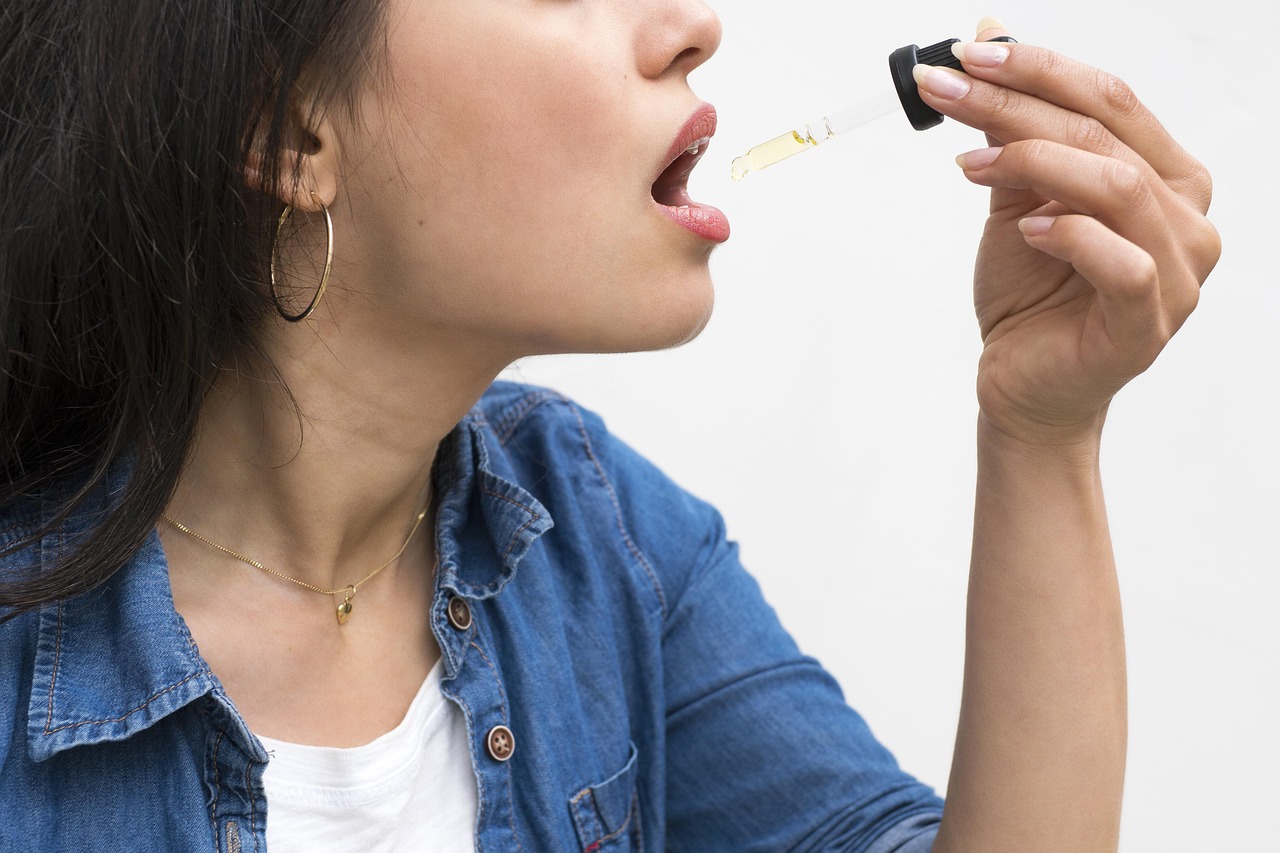
To follow this method, you need to know how much CBD is in each serving. A simple way to calculate this is to divide the total amount of CBD in the bottle by the volume of the bottle in milliliters. For example, if a 30 ml bottle contains 600 mg of CBD, the concentration is 20 mg per ml. Since one dropper usually holds 1ml, a full dropper would contain 20 mg of CBD.
A Beginner’s Step-by-Step Trial
A structured trial with notes can help you find your personal dose. Keep a simple journal to track how much you take and how you feel.
- Days 1-3 -Start with 10 mg daily, ideally 1 to 2 hours before bed since drowsiness is common at first.
- Days 4-6 -If you do not feel the desired effect, increase your daily dose by 5 mg.
- Day 7 and beyond -Continue raising your dose by 5 mg every 2 to 3 days until you notice the desired effect. Once you find the right dose, stay at that level.
Frequently Asked Questions
Can CBD Oil Make You High?
Properly made CBD oil with less than 0.3% THC will not cause intoxicating effects. Full-spectrum products contain trace THC amounts that work synergistically with CBD but remain below psychoactive thresholds.
Can I Travel With CBD Oil?
CBD products containing less than 0.3% THC are federally legal, but state laws vary. When traveling, carry original packaging with lab results and research destination laws. Air travel with CBD is generally permitted but check airline policies.
How Do I Know If My CBD Oil Is Working?
CBD effects are often subtle rather than dramatic. Look for gradual improvements in areas like sleep quality, stress levels, or physical discomfort. Effects may take several days or weeks of consistent use to become apparent.
Should I Take CBD Oil With Food?
Taking CBD oil with fatty foods can improve absorption, but it also slows onset time. For faster effects, take on an empty stomach.
Conclusion
Choosing the right CBD oil becomes much easier when you focus on the basics. Look for products that have third-party lab testing, know the differences between CBD types, and begin with a small dose while paying attention to how your body responds.
Finding the right product is a personal process, and some trial and error is normal. What works well for one person may not be the perfect fit for another. By following these guidelines and keeping your expectations realistic, you give yourself the best chance for a positive CBD experience.